Whether you’re sipping on a lassi or dancing to a Bhangra beat, there’s a deep sense of pride that comes with being connected to Punjab. But have you ever wondered how this vibrant region actually came to be? Punjab history isn’t just a list of dates in a textbook; it’s a high-stakes saga of empires, invasions, and incredible resilience.
Known globally as the “Land of Five Rivers,” Punjab has been the heartbeat of the Indian subcontinent for millennia. Let’s take a stroll through time to see what makes this place so legendary.
What’s in a Name? (Hint: It’s Not Just About Water)
The word “Punjab” sounds so natural to us now, but it’s actually a cool linguistic mashup. It comes from two Persian words: Panj (five) and Ab (water).
But here’s a fun fact: before it was Punjab, it was known as Sapta Sindhu. In ancient Sanskrit texts like the Rigveda, it was called the “Land of Seven Rivers.” Back then, the region included the Saraswati and the Indus, making it one of the most fertile and spiritually significant places on Earth.
The Roots of the “Punjabi DNA”
People often ask, “Where does Punjabi DNA actually come from?” The answer is basically “everywhere.” Because Punjab was the gateway to India, everyone from Alexander the Great to Central Asian tribes passed through.
Today’s Punjabi heritage is a beautiful, complex blend of:
The Indus Valley Civilization: The original urban planners of Harappa.
Indo-Aryans: Who brought the Vedic traditions.
Greeks, Persians, and Mughals: Who added layers of art, language, and genetics.
This “melting pot” history is exactly why Punjabi culture feels so dynamic and bold today—it’s built on thousands of years of different worlds colliding.
The Famous Five: The Lifeline of the Land
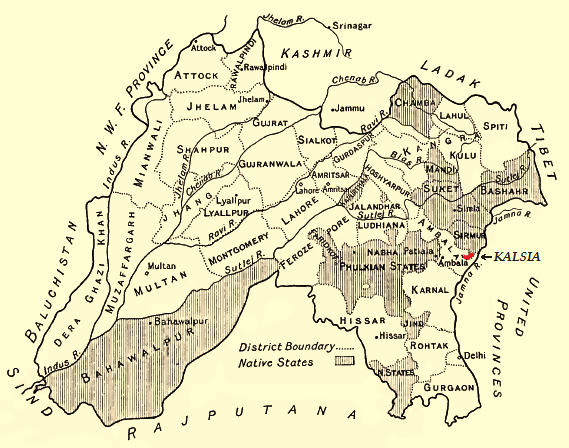
You can’t talk about Punjab history without mentioning the rivers. These aren’t just bodies of water; they are the literal veins of the region.
Jhelum
Chenab
Ravi
Beas
Sutlej
These rivers are why Punjab is the “breadbasket” of the region. They turned the land into an agricultural powerhouse, allowing the people to survive (and thrive) through countless wars and transitions.
From Empires to Independence
The history of Punjab is a rollercoaster of different eras:
The Sikh Empire: One of the proudest chapters was the reign of Maharaja Ranjit Singh. He unified the region into a powerful, sovereign state that was famous for its military might and religious tolerance.
The British & Partition: In 1849, the British took over, leading to nearly a century of colonial rule. The most heartbreaking turn came in 1947 during the Partition, which split the land into East and West Punjab, changing the landscape and the lives of millions forever.
Why Should You Care About Punjab History Today?
Understanding where Punjab came from helps us appreciate the “spirit” of the people today. It’s a culture that has seen it all—from the birth of the Indus Valley Civilization to the struggles of 1947—and still managed to keep its sense of humor, hospitality, and legendary food.
Quick Answers (FAQs)
What is the ancient name of Punjab? It was originally called Sapta Sindhu (Land of Seven Rivers) in the Vedic period.
Which 5 rivers are in Punjab? The Jhelum, Chenab, Ravi, Beas, and Sutlej.
Why is Punjab so important? Its location made it the cultural and economic bridge between India and the rest of the world.
Final Thoughts: A Legacy That Never Fades
Punjab history is more than just a memory; it’s a living, breathing legacy. From the ancient ruins of Harappa to the modern fields of wheat, the story of this land is one of survival and soul.
If you want to truly understand the grit and glory of North India, you have to start with Punjab. Want to learn more about specific legends or landmarks? Keep exploring—there’s always another layer to discover in this incredible land!